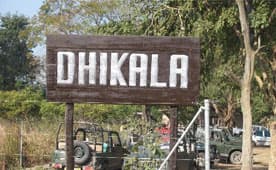
LET'S DIVE IN THE JIM CORBETT
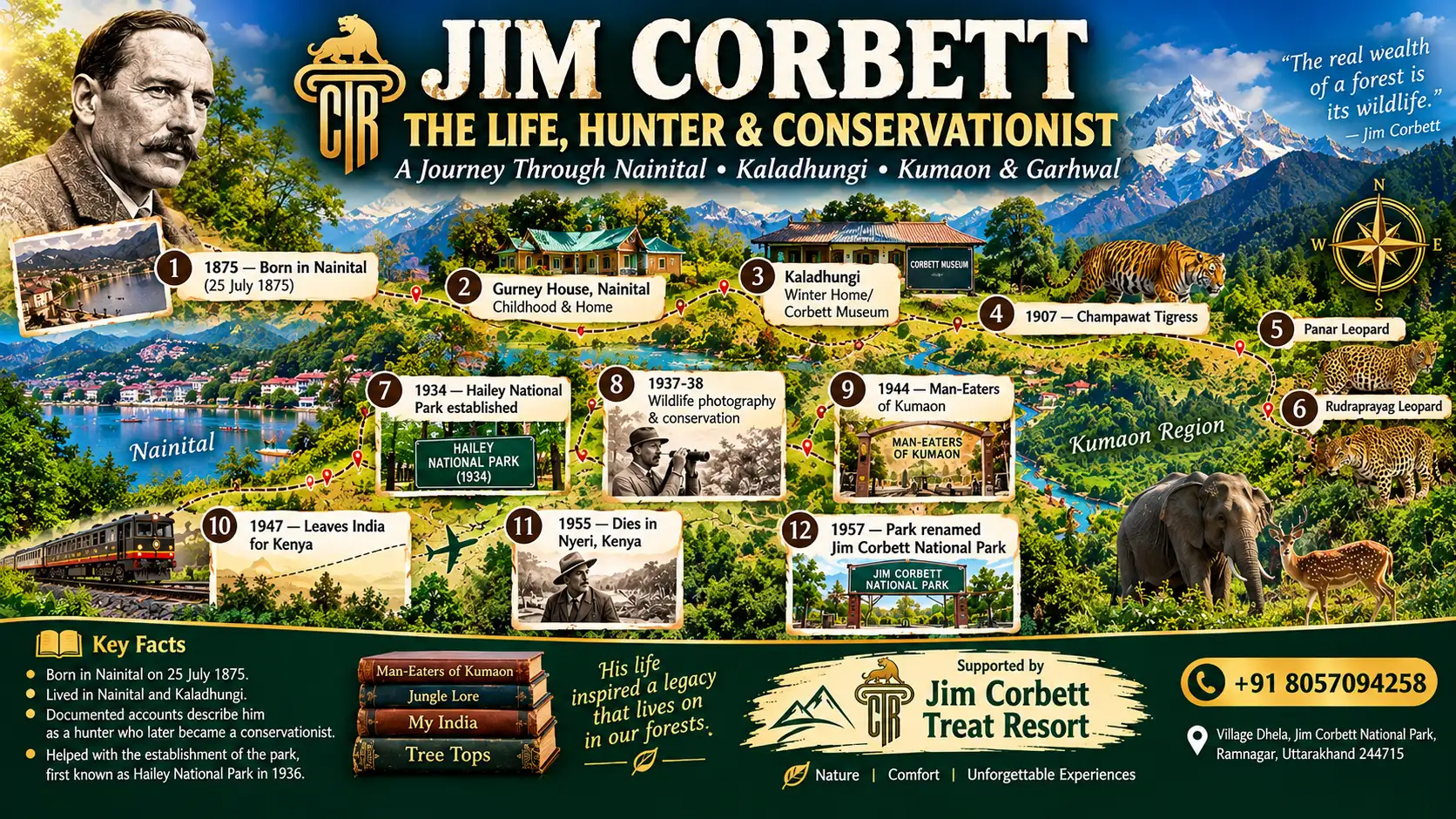
The Jim Corbett historical route-map banner presents the remarkable life, achievements, adventures, and conservation legacy of Edward James “Jim” Corbett, one of the most well-known figures associated with the forests and wildlife of Uttarakhand, India. The visual follows his journey through important locations including Nainital, Kaladhungi, Kumaon and the surrounding Himalayan forest regions, combining historical storytelling with scenic landscapes, wildlife imagery, route markers, and significant milestones from his life.
The infographic highlights Jim Corbett’s early connection with Nainital, his childhood and family home at Gurney House, and his long association with Kaladhungi, where the Corbett Museum now preserves memories of his life. It also represents several of the famous wildlife encounters documented in his writings, including the Champawat tiger, Panar leopard and Rudraprayag leopard. The timeline continues through his growing interest in wildlife photography and conservation, his literary works such as Man-Eaters of Kumaon
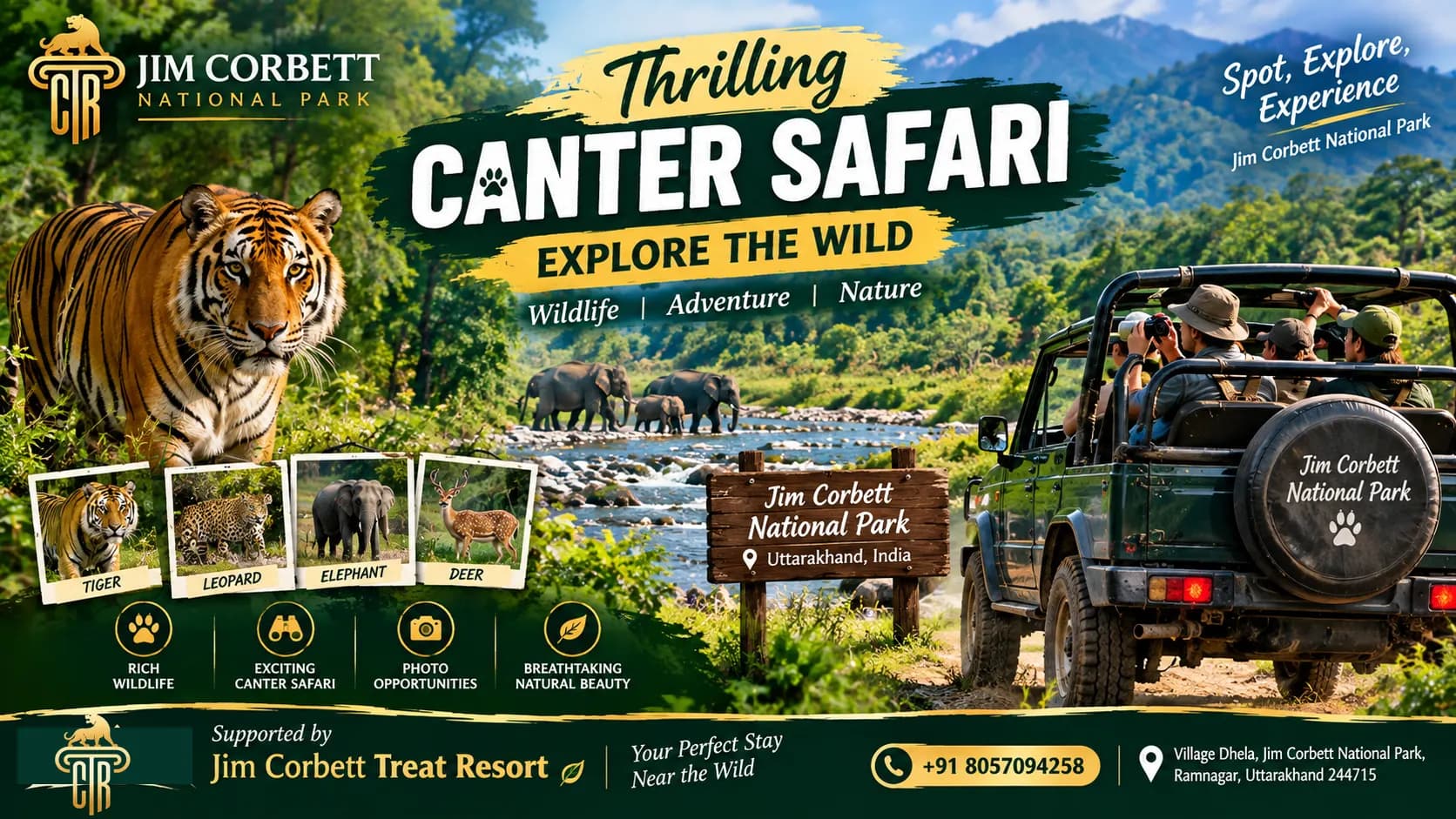
Canter Safari-Dhila
Conducted and operated only by the forest officials, canter safaris are yet another exciting way to delve deep into the wilderness of Jim Corbett Park! Operated twice in a day, usually open-roof canters with a seating capacity of 16-18 members are used for this purpose.
For a larger group of visitors, canter safaris are the most ideal ways to enjoy wildlife safaris. Also, as the vehicles assure maximum safety to the passengers, visitors of almost all age groups can enjoy these rides; however, minors must be accompanied by an adult during the safaris.
Eight Corbett National Safari Zones
1. Dhikala Zone
2. Bijrani Zone
3. Jhirna Zone
4. Garjiya Zone
5. Sitabani Zone
6. Pakhro Zone
7. Dhela Zone
8. Durga Devi Zone
JEEP SAFARI
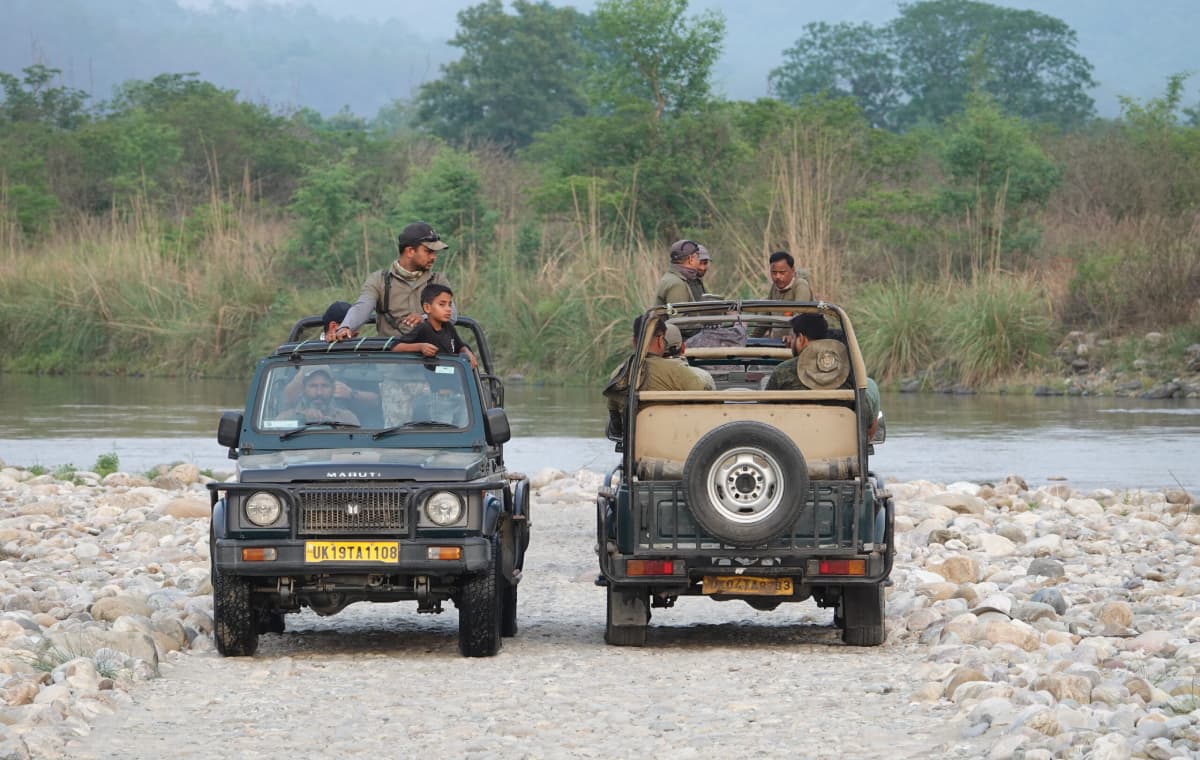
Among all the safari options in Jim Corbett Park, jeep safaris are the most popular. Conducted twice in a day, these safaris are allowed throughout all the buffer zones of the park and allotted in a group of 25-30 jeeps at a time; depending on the zone. Compared to the canters, as these vehicles are smaller in size, they take you some of the core areas that are inaccessible by the canters. Though smaller in size, they promise you an extremely enthralling and exciting jungle or wildlife safari within the park.
The infographic highlights Jim Corbett’s early connection with Nainital, his childhood and family home at Gurney House, and his long association with Kaladhungi, where the Corbett Museum now preserves memories of his life. It also represents several of the famous wildlife encounters documented in his writings, including the Champawat tiger, Panar leopard and Rudraprayag leopard.
Flora
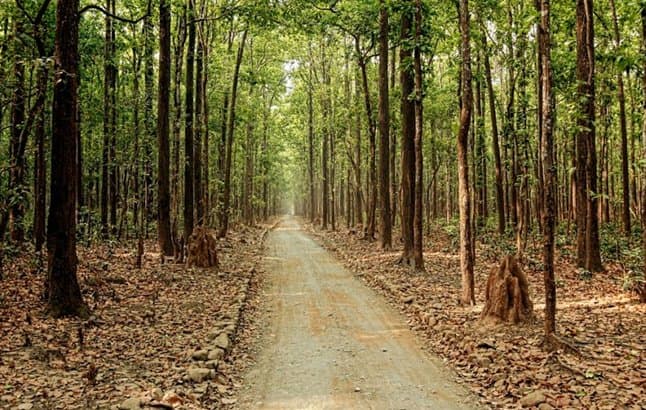
The flora of Jim Corbett National Park is as diverse and rich as its fauna, contributing to the park’s status as one of India’s most vital ecosystems. The park, which spans over 520 square kilometers, encompasses a variety of habitats, from dense forests to open grasslands, and it supports a wide range of plant species. The park’s varied climate and topography—ranging from the foothills of the Himalayas to the lowlands of the Terai—create an ideal environment for a rich array of plant life.
For a larger group of visitors, canter safaris are the most ideal ways to enjoy wildlife safaris. Also, as the vehicles assure maximum safety to the passengers, visitors of almost all age groups can enjoy these rides; however, minors must be accompanied by an adult during the safaris.
Fauna
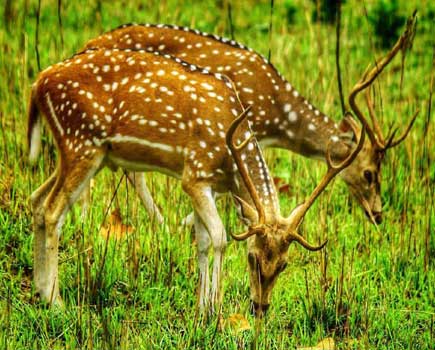
Uttarakhand boasts an exceptionally rich biodiversity, spanning from the tropical Terai plains to the high-altitude alpine meadows of the Himalayas. The state is home to six national parks and seven wildlife sanctuaries, providing crucial habitats for several endangered species.In the dense, low-lying forests of the south, particularly within Jim Corbett National Park, the Bengal tiger and the Asian elephant serve as flagship apex species. These areas also support vibrant populations of leopards, sloth bears, striped hyenas, and various deer species like the chital (spotted deer), sambar, and barking deer.As the elevation rises into the sub-alpine and alpine zones, the wildlife transitions dramatically. The elusive snow leopard reigns supreme in the high-altitude rugged terrains of Govind and Gangotri National Parks. It shares this extreme landscape with the Himalayan musk deer, the bharal (blue sheep), and the Asiatic black bear.The state is also a paradise for bird enthusiasts, hosting over 700 avian species. The state bird, the brilliantly iridescent Himalayan monal, can be found in the sub-alpine forests alongside the cheer pheasant and various eagles.To help tailor this information, what specific aspect of Uttarakhand's fauna are you focusing on?
Dhikala Zone
Jim Corbett National Park is renowned for its incredible biodiversity and is home to a wide range of animal species, making it one of the most visited wildlife destinations in India. The park, which was established in 1936 as the first national park in India, is not only a haven for wildlife but also a crucial area for conservation. It is famous for its tiger population, but the fauna extends far beyond just big cats, with a rich mix of mammals, birds, reptiles, and amphibians that thrive in the park's varied ecosystems.